
Alcohol Withdrawal & Medical Detox: Symptoms, Timeline, What to Expect
Neurotransmitter disruption causes significant changes in mood regulation during early recovery. These early emotional disruptions typically begin improving within weeks to months as your nervous system stabilizes and you develop healthier coping mechanisms. Medical supervision during detox can help manage these symptoms as GABA receptors readjust to functioning without alcohol. Some people report sensory disturbances, including heightened sensitivity to light and sound. While rare in the first 24 hours, visual hallucinations can occur in sensitive individuals. These initial symptoms signal your body’s adjustment to functioning without alcohol, marking the beginning of the withdrawal process.
Treatment Programs
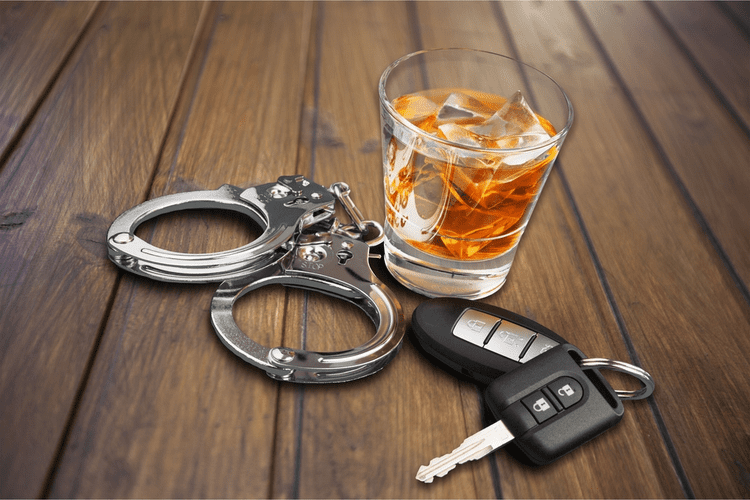
The main management for severe symptoms is long-acting benzodiazepines — typically IV diazepam or IV lorazepam. You may also receive other medications or treatments for related health issues, like IV fluids for dehydration and electrolyte imbalances or antinausea medicines if you experience vomiting. It’s difficult to predict who will and who won’t experience alcohol withdrawal — and how severe it will be. When you stop consuming alcohol after prolonged, heavy use, your CNS can’t respond or regulate itself fast enough. It becomes overexcited because there’s no more alcohol to slow it down. Some people experience prolonged withdrawal symptoms, like insomnia and mood changes, that can last for weeks or months.
- Librium is often prescribed during alcohol detox to help manage severe withdrawal symptoms.
- The kindling effect is a bit like carving a path through a dense forest.
Alcohol Withdrawal Symptoms, Detox, Timeline, and Treatment
The goal of medical detox is to get you through withdrawal safely, stop life-threatening complications before they start, and give you a stable foundation for the next stage of your recovery. One of the most critical risk factors is a history of previous withdrawals. Each time a person goes through detox, they can experience a phenomenon known as the “kindling effect,” where withdrawal symptoms become progressively more severe with each subsequent attempt. If you’re facing detox, one of the biggest sources of anxiety is the unknown. Understanding the typical progression of alcohol withdrawal symptoms can take away a lot of that fear and give you a clear roadmap for what to expect as your body readjusts.
Detoxing From Alcohol Addiction: What to Expect

The symptoms can range from mild to severe, with the most severe being life-threatening. For people at low risk of complications, an office visit to your primary care provider, along with at-home monitoring and virtual office visits, may suffice. People at high risk of complications should enter a short-term in-patient detox program. People with alcohol use disorder and heavy drinkers should not quit drinking without medical supervision.
By Sarah Bence, OTR/LBence is an occupational therapist with a range of work experience in mental healthcare settings. Millions of people join support groups to help stop drinking and stay stopped. Studies show support groups play an instrumental role in helping people develop healthy social networks that result in continued sobriety. However, medical complications can occur during the acute phase of withdrawal. For those with alcohol use disorder, withdrawal is just the first (but very important) step on a long journey to recovery. These first few weeks are critical because they are when the risk of relapse is highest.

Severe Symptoms
Librium has a long half-life, ranging from 5 to 30 hours, with active metabolites lingering in the body for days. This means that even if the immediate effects wear off, the drug remains in the system, increasing the risk of interaction if alcohol is consumed. Discover how affirmations and self-love can support mental health and recovery. Learn the timeline of alcohol cravings in recovery, plus effective strategies for coping. In rehab for addiction or mental health, you’ll work with a team of experts.
What Happens When You Quit Drinking Alcohol “Cold Turkey”
Alcohol withdrawal refers to the physical and mental effects a person experiences after stopping prolonged and heavy alcohol use. When you suddenly stop drinking, your body is deprived of the effects of alcohol and alcohol detox side effects requires time to adjust to functioning without it. Depending on how long you have used alcohol and how much you typically drink, the severity of these symptoms can range from mild to severe. Medications prescribed for alcohol detox include benzodiazepines, anticonvulsants, beta-blockers, and relapse prevention drugs like disulfiram and naltrexone. These medications help manage withdrawal symptoms, reduce complications, and support long-term recovery.
Alcohol withdrawal symptom timeline
- In his free time Tyler enjoys camping, hiking and spending time with his newborn son.
- The withdrawal timeline typically unfolds across several distinct stages, beginning within 6-24 hours after your last drink.
- You need a place that can help stabilize you, arrest the progression of addiction, and educate you on what’s really going on mentally, physically, and emotionally.
These symptoms vary in intensity depending on the individual’s dependence level and overall health. You shouldn’t attempt alcohol detox at home Sober living house without medical supervision, as it can be life-threatening. Withdrawal symptoms like seizures and delirium tremens can develop rapidly and require immediate medical intervention. Even if you’re planning home detox methods, the safest approach is to first consult healthcare providers who can assess your risk level and recommend appropriate care.
How Can You Manage Withdrawal Symptoms During Alcohol Detox?
Benzodiazepines (“benzos”) interact with GABA neurotransmitters, increasing them to cause a sense of calm. As a result, these drugs are often used to treat mental disorders like generalized anxiety disorder. And if you’d like some extra support when it comes to getting rid of your cravings once and for all, join the super supportive folks doing the 2019 Vegan Detox Challenge with me. This is something EVERYONE who goes through a detox experiences at one point or another. To cope with increased irritability, consider taking some time to detox your mind as well.
This helps them decide what interventions are appropriate at different stages of withdrawal. The earliest signs of withdrawal typically appear within 6 to 12 hours after the last drink. These often include hand tremors (also known as “the shakes”), sweating, nausea, headaches, and an increasing sense of anxiety. These symptoms are the first indication that your central nervous system is becoming overactive. The only genuinely safe way to detox is under medical supervision, where trained professionals can watch your vitals around the clock and step in the moment a problem arises. In a supervised detox center, you have a team of experienced clinicians watching over you 24/7.