
Alcohol withdrawal syndrome: mechanisms, manifestations, and management
Healthcare providers typically prescribe short-term medications to relieve the symptoms of mild to moderate alcohol withdrawal. It affects about 50% of people with alcohol use disorder who stop or significantly decrease their alcohol intake. AUD is the most common substance use disorder in the U.S., affecting 28.8 million adults. Alcohol withdrawal causes a range of symptoms when a person with alcohol use disorder stops or significantly decreases their alcohol intake. The symptoms can range from mild to severe, with the most severe being life-threatening. Remember you are facing a difficult challenge during alcohol withdrawal, but you are not alone.
- Because of the severity and complications that can arise from AWS, it is important to be familiar with proper treatment.
- Since some barbiturates can last in the body for up to 140 hours, they can deliver long-term relief.
- Assessing patients in this way allows clinicians to provide counseling to those who engage in risky drinking patterns.
- Therefore, unless the withdrawal is complicated, it will unlikely be called into the poison center.
1. Questionnaires to detect alcohol use disorder
- Vitamin B supplementation helps to prevent Wernicke’s encephalopathy (WE).
- 1 Resulting changes in the inhibitory and excitatory neurotransmitters disrupt the neurochemical balance in the brain, causing symptoms of withdrawal.
- Withdrawal syndrome, also known as discontinuation syndrome, occurs in individuals who have developed physiological dependence on a substance and who discontinue or reduce their use of it.
Typically, medications for alcohol withdrawal include benzodiazepines, barbiturates, gabapentin, and clonidine. Naltrexone, acamprosate, and disulfiram are options for prolonged alcohol abstinence. When it comes to quitting smoking, Varenicline is considered one of the most effective medications.

Assessment & Care Setting: How Clinicians Decide and What to Expect
It may reduce the need for BZD and is a promising and effective adjuvant treatment for AWS 74. The advances in knowledge of neurobiology and neurochemistry have prompted the use of drugs in the treatment of alcohol withdrawal that act through “t GABA pathways”, such as the Baclofen, which are GABA-B pathways (agonist). Addolorato et al., reported a case series with five patients in which a single 10-mg dose of Baclofen resulted in relief of severe withdrawal symptoms 68. In a preliminary RCT by the first author in 2002, Baclofen also reduced craving in alcohol-dependent patients 69.
Prompt pharmacological treatment is indicated in all cases of AWS, as non-treatment https://wir88.com/the-12-steps-of-aa-a-roadmap-to-recovery-and/ or under treatment can be fatal 25,26. The best-studied benzodiazepines for AW treatment are diazepam, chlordiazepoxide, and lorazepam 24,27. Several reputable establishments offer MAT and management of alcohol withdrawal syndrome. The above-listed benzodiazepines and other medications are used to treat many conditions, including helping someone through alcohol withdrawal.
Management of moderate to severe alcohol withdrawal syndrome
Symptoms of AWS are often treated with sedatives called benzodiazepines. The most prescribed benzodiazepine is chlordiazepoxide, which is only available as a generic in the United States. They should also make sure you attend your counseling appointments and visit the doctor regularly for any routine blood tests that may be ordered. A relative or friend must stay with you to monitor your condition. Their job is to make sure that if you develop any worsening of symptoms, they get you to a hospital or call 911 immediately. Read on to learn about the symptoms of AWS, as well as how it can be treated or prevented.
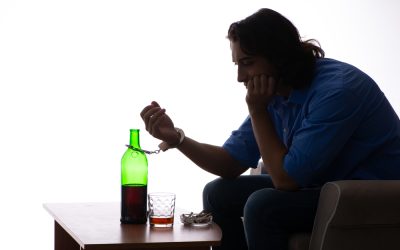
Psychiatric evaluation is strongly recommended to rule out mental health concerns such as suicidal ideation, major depression, and polysubstance abuse. After you stop drinking heavy, regular amounts of alcohol, your nervous system needs time to adjust. That can cause uncomfortable physical and mental symptoms, which can sometimes be life-threatening. Get support from your doctor, friends, and family when you’re ready to stop drinking.
Cassidy alcohol withdrawal syndrome symptoms et al., reported that symptom-triggered approach reduced cumulative benzodiazepine dose and length of stay in an emergency department set up 54. Similarly, other studies have also shown that STR reduces the benzodiazepine doses and duration of detoxification. Studies have been conducted on oxazepam 47, chlordiazepoxide 46 and chlormethiazole 55. Over the years, the treatment for alcohol detoxification has evolved from the use of gradual weaning schedule of alcohol itself to the use of benzodiazepines and the newer miscellaneous drugs.
There are several potential advantages to using anti-convulsant drugs. Use of an anti-convulsant drug decreases the probability of a patient experiencing a withdrawal seizure, thereby reducing the complications of AWS. Anti-convulsant drugs have been shown to block kindling in brain cells.

- That can cause uncomfortable physical and mental symptoms, which can sometimes be life-threatening.
- A high fever, hallucinations, and heart disturbances are all reasons to seek immediate help.
- In 2017, an estimated 11.4 million people in the United States misused opioids, including prescription pain medication and illicit heroin, and opioid overdose is now the leading cause of unintentional death.
- Over weeks or months, you’ll have smaller or fewer drinks until you reach a point where you don’t have any at all.
- Carbamazepine was also reported to be an effective alternative to benzodiazepines in the treatment of alcohol withdrawal syndrome in patients with mild to moderate symptoms 58.
These medications can help to balance an individual’s biochemistry and reduce the risk of complications. Withdrawal affects both the body and mind, and understanding these changes can make a world of difference for those going through it. Recognizing the signs early during this challenging phase is crucial for providing the right support and guidance. While symptoms can vary, there are common withdrawal symptoms frequently experienced during detox.
Alcohol withdrawal is commonly encountered in general hospital settings. It forms a major heroin addiction part of referrals received by a consultation-liaison psychiatrist. This article aims to review the evidence base for appropriate clinical management of the alcohol withdrawal syndrome.
If you’re prescribed a medication from this class of drugs talk with your doctor about the risks before taking them and always follow the doctor’s instructions. If you drink daily, your body becomes dependent on alcohol over time. When this happens, your central nervous system can no longer adapt easily to the lack of alcohol. If you suddenly stop drinking or significantly reduce the amount of alcohol you drink, it can cause AWS.
Historically, several mechanisms have been suggested to play a role in the development and etiology of AWS. Initially, the researchers thought that withdrawal might be caused by the nutritional deficiencies 10,11. Some of the complications of withdrawal (e.g., seizures) were thought to result directly from alcohol use or intoxication 12. It is for people who are not currently drinking and want to avoid drinking. Most people begin using this drug approximately five days after their last drink. The estimated global prevalence of withdrawal in adults for heavy episodic alcohol use is 18.4.%, for daily tobacco smoking is 15.2%, amphetamine 0.77%, opioids 0.37%, and cocaine 0.35%.